
Threats and measures
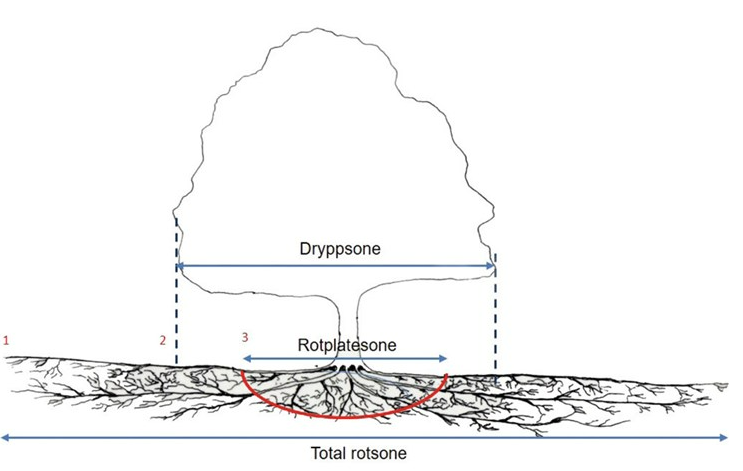
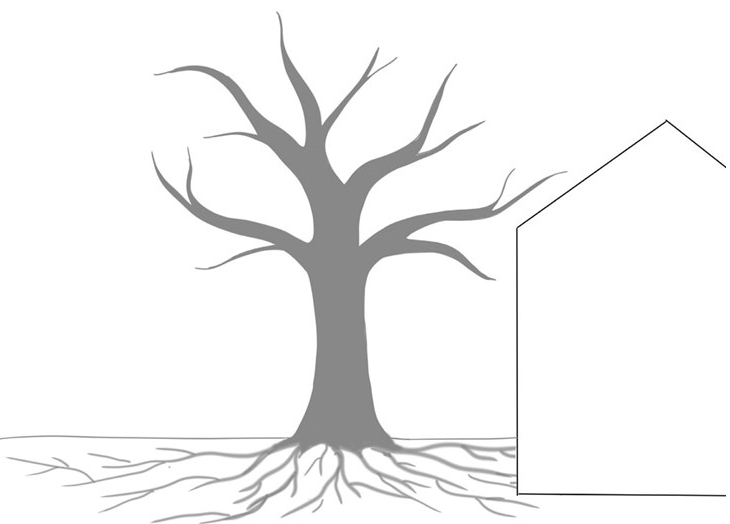
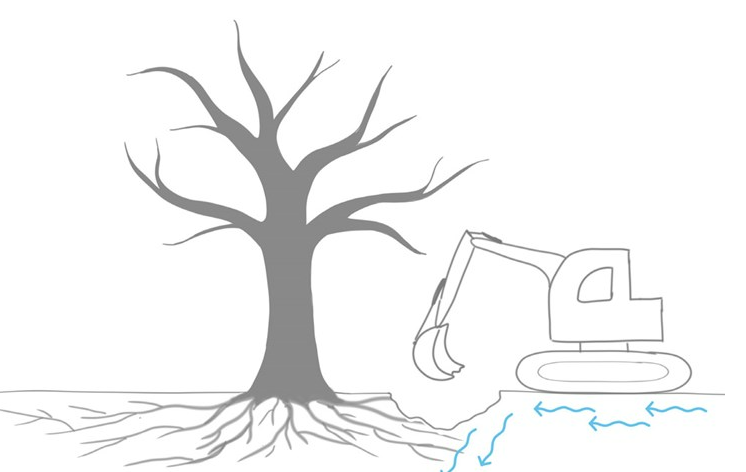
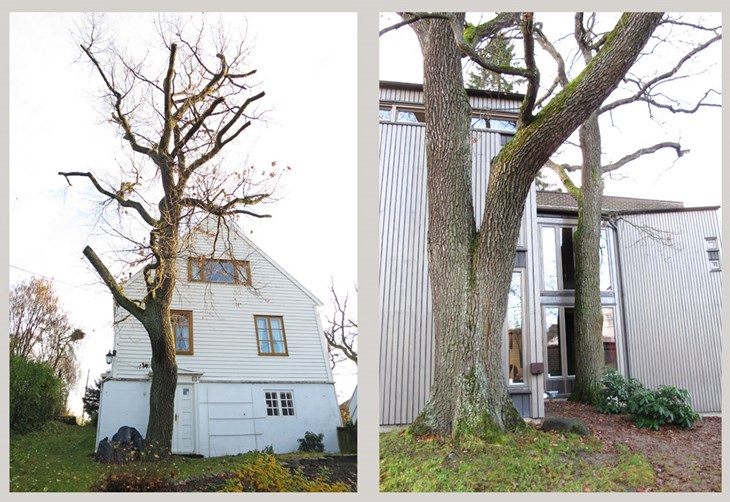
The oak forests were greatly reduced already in the 17th and 18th centuries, due to timber exports and ship building. Today, logging is still among the main factors affecting hollow oaks. The trees are felled to make room for houses and roads, for safety reasons, or to accommodate increased efficiency in agriculture. Deterioration of the environment in and around the hollow oaks is also something that negatively affects them. Regrowth is one example – trees and bushes start growing where the oak has previously stood by itself, leading to increased shade as well as nutrient competition. It is therefore a good measure to remove competing tree vegetation around old oak trees. In addition to taking old oak trees into account when for example developing new housing areas, it is also important to ensure that there are younger oaks in areas with old oaks. Thus, the organisms will have a new place to establish themselves when the old trees are eventually broken down.
Sources:
Direktoratet for naturforvaltning 2012. Handlingsplan for utvalgt naturtype hule eiker
www.hule-eiker.no