Climate change and insects
Insects are influenced by a changing climate, but it is not obvious how climate change may affect different species. Longer summers and higher temperatures make way for northward dispersal for many insects. This may be an effect of rising temperatures but may also be linked to floral changes producing more food for insects at higher latitudes.
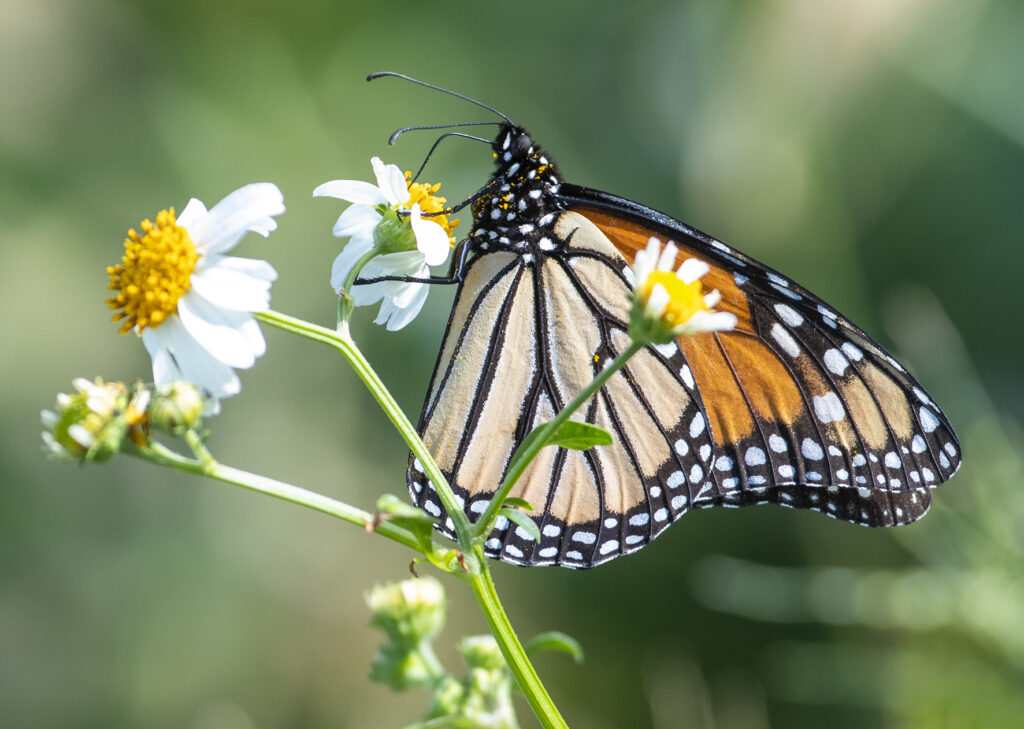
The monarch butterfly (Danaus plexippus) in North America migrates north in summer and south in winter, almost like birds. These large butterflies spend the winter in huge congregations in coniferous forests in Mexican mountains. In spring they wake up after a long state of hibernation, starting on their northward journey. The butterflies reproduce, and the next generation continues the northward migration. In late summer and autumn, the last summer generation flies south to the Mexican mountain forests again, there to wait for the next spring. Climate change is one of many dangers these butterflies face. The population of Monarchs has decreased dramatically during the last decades.

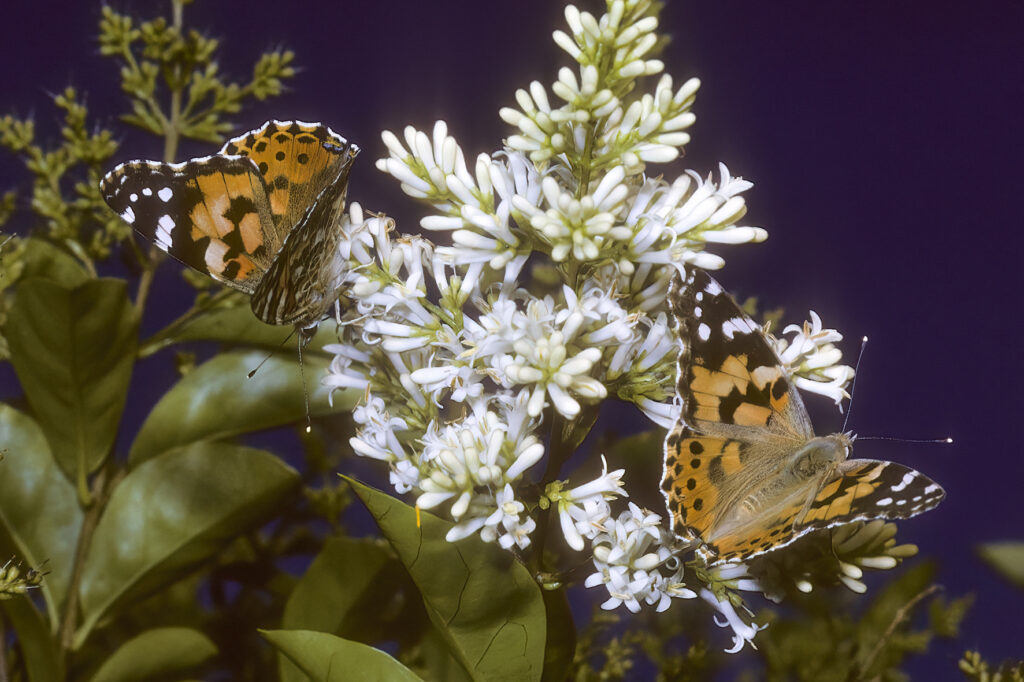
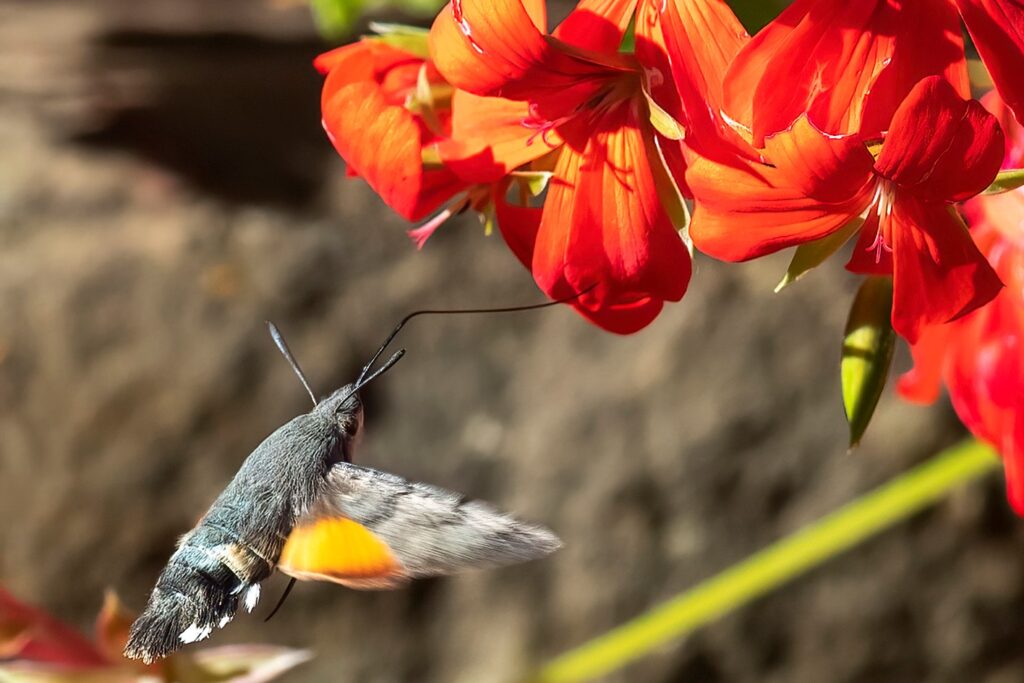
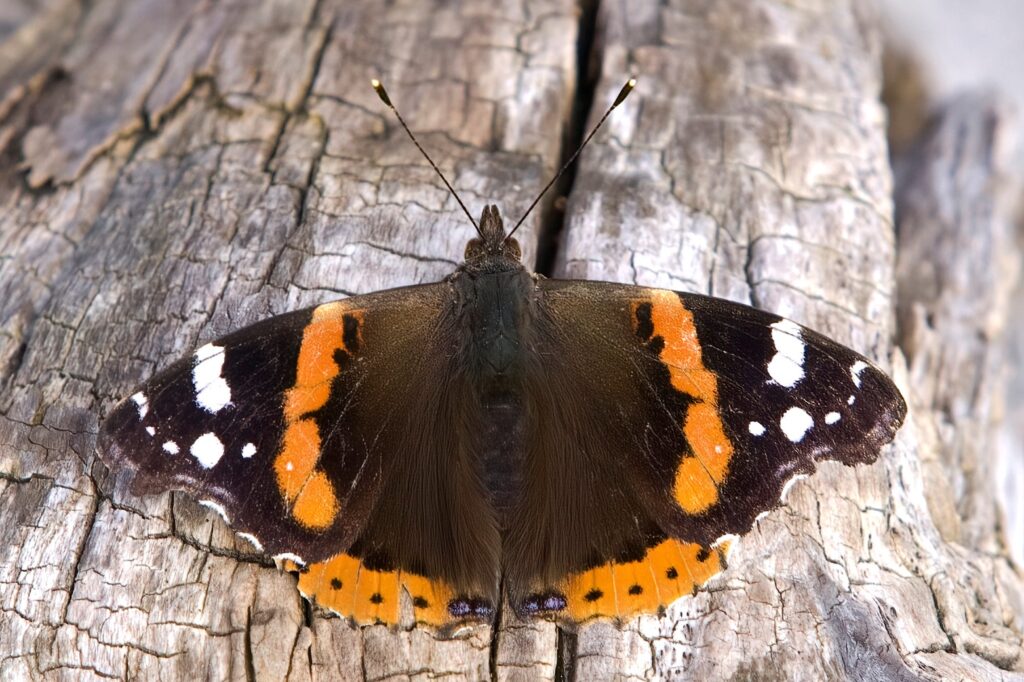
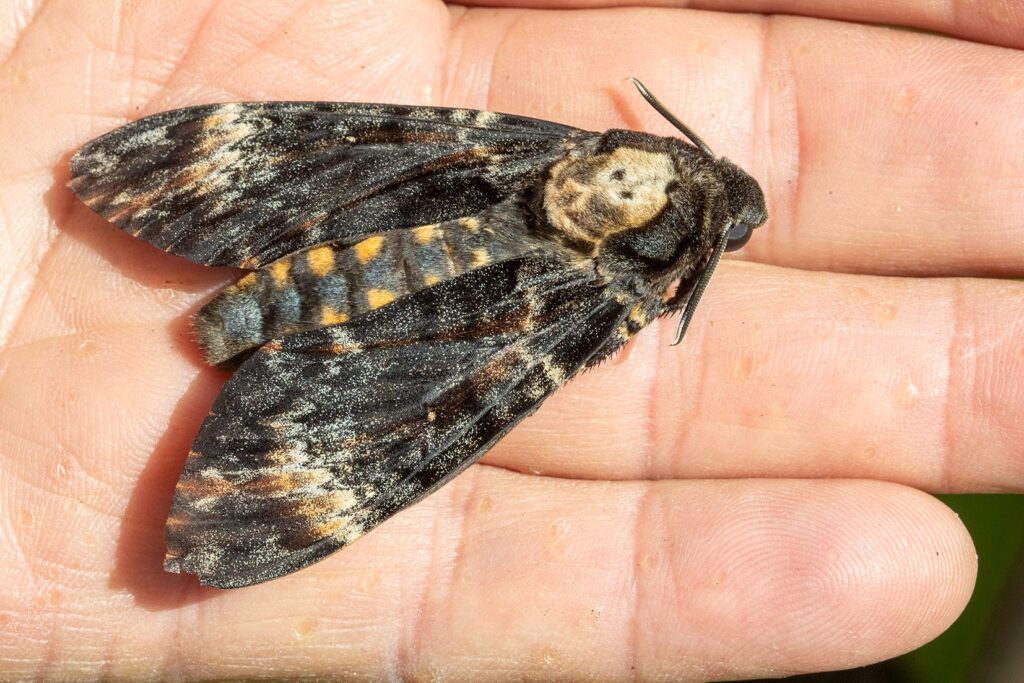
Many butterflies migrate northward during summer in Europe, too. Some species start their flights as far south as the Mediterranean countries, and even North Africa, eventually reaching Norway. Painted lady (Vanessa cardui), Admiral (Vanessa atalanta), Hummingbird hawk-moth (Macroglossum stellatarum) and African Death’s-head hawkmoth (Acherontia atropos) are all butterflies which regularly reaches Norway. In 2022 an Oleander hawk-moth (Daphnis nerii) was found in Larvik. This is the fourth report only from Norway. Such long-distance migrators may become even more regular visitors due to a warmer climate. Some of these butterfly species have been recorded on southward autumn migrations, however no large winter aggregations like the monarch butterfly have ever been found in Europe or North Africa.
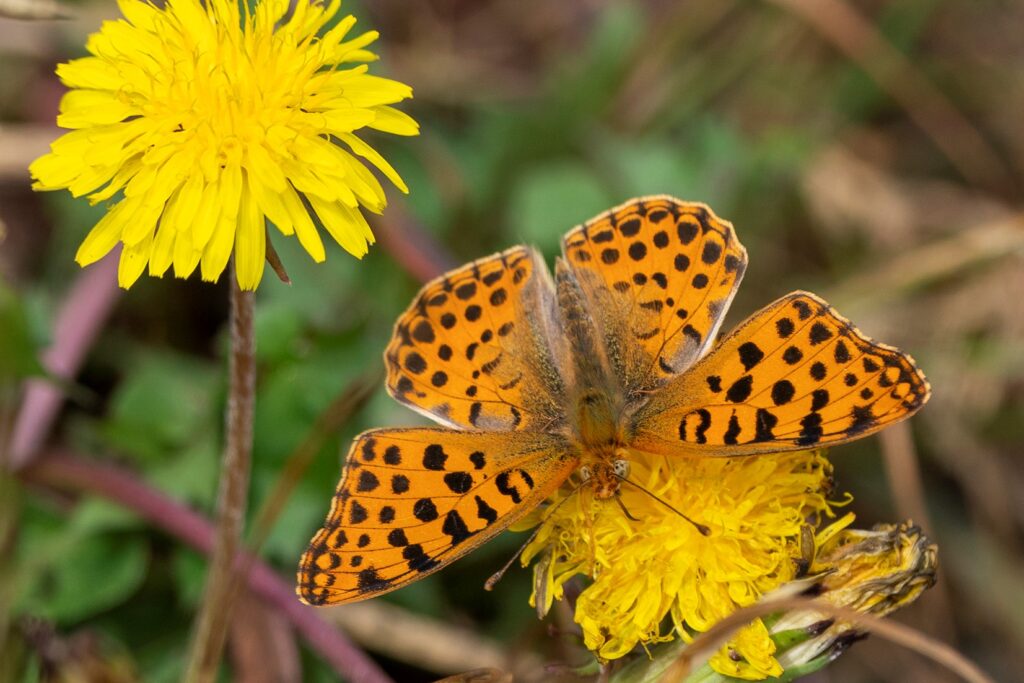
Blue butterflies and Argynnins are butterflies which face problems because many wildflowers become scarcer but may spread northwards under a warmer climate. The Queen of Spain Fritillary (Issoria lathonia) is one of these species which has become more common in Southern Norway in recent years.
Earlier spring and later autumn present longer growing seasons for both plants and butterflies. Some species thus achieve two summer generations. Along the coast of Agder the Swallowtail (Papilio machaon) manages two generations. Larvae may thus be found in early summer and in August. Climate change may present this species with opportunities for two generations also further inland and at higher latitudes in Norway.
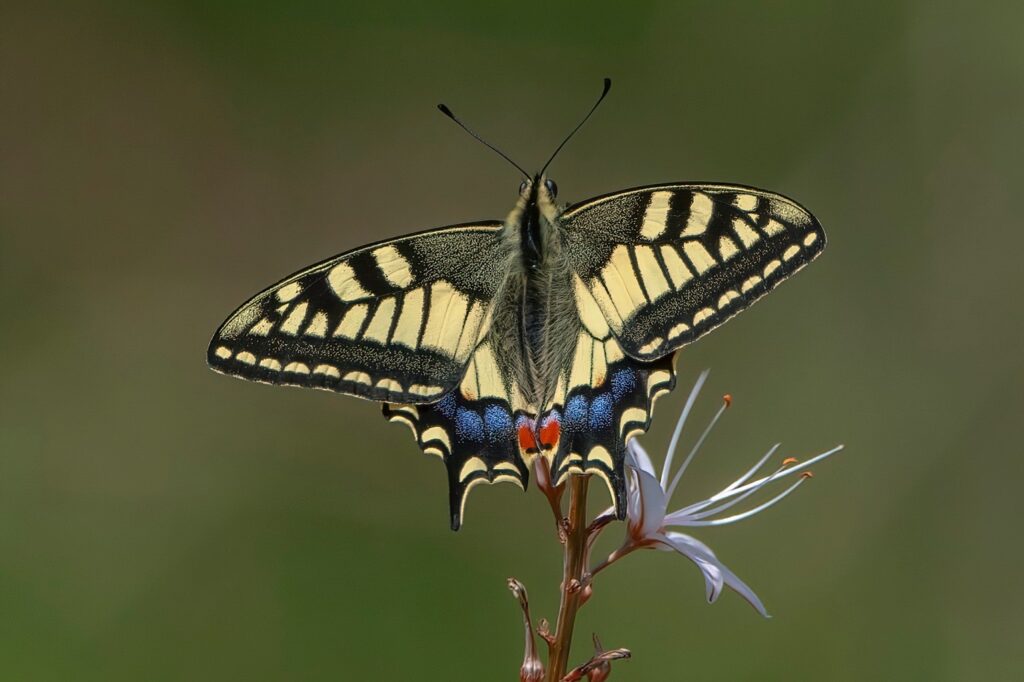
Insects gather body heat from sunshine and air temperature. Dark insects thus heat up faster than light coloured species. Studies have concluded that dark species of dragonflies dominate in northern parts of Europe, while light-coloured species fare better in the south. Dark butterflies like the Grand Sylvain (Limenitis populi) may thus spread further north in Norway under a warmer climate with longer summer periodes.
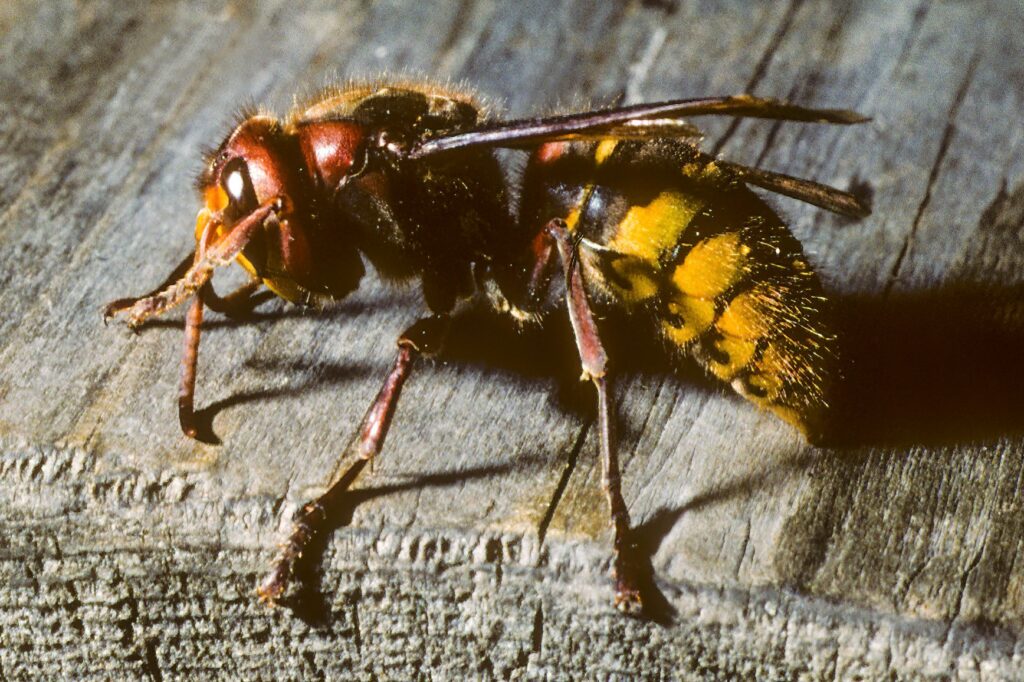
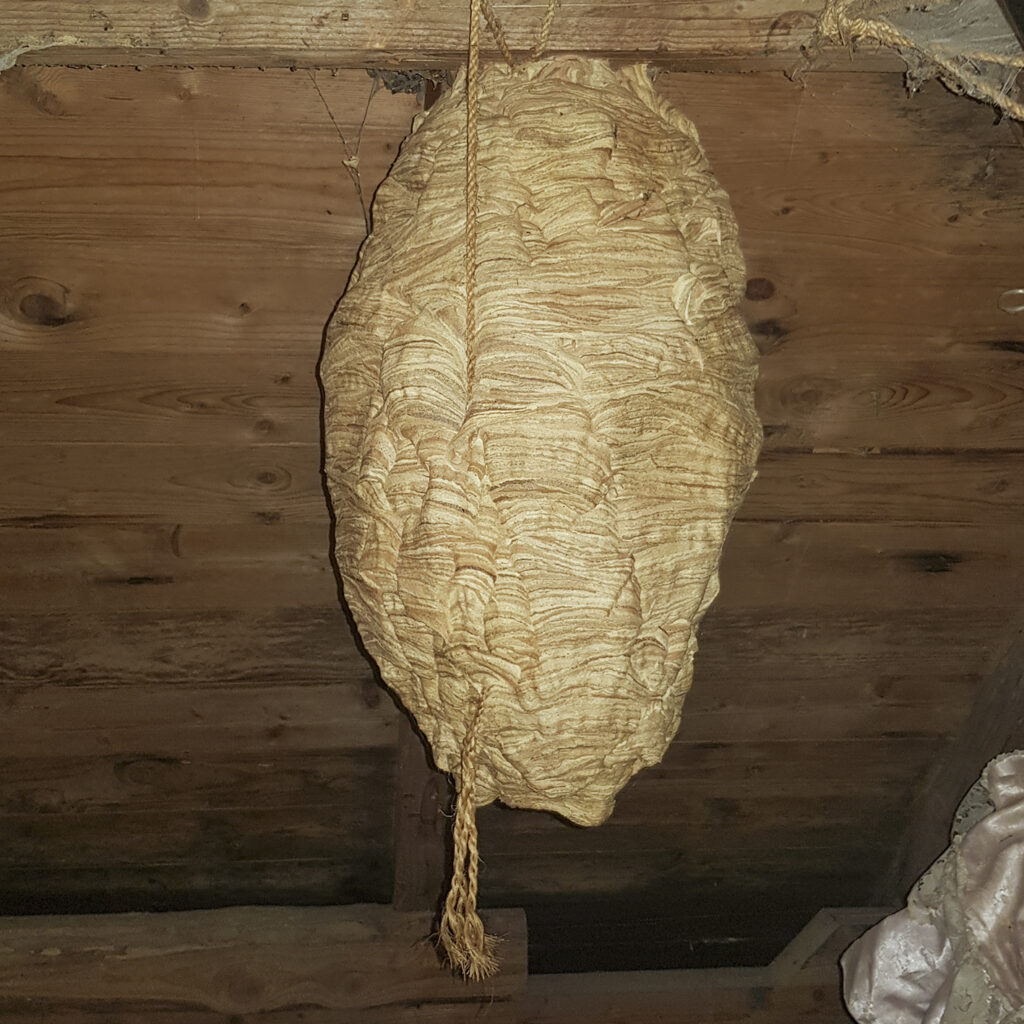
The European Hornet (Vespa crabro) is the largest wasp in Europe. Formerly found in Norway, it disappeared at the start of the 20th century. In 2007 the species reappeared in Norway, and has since spread to the south-eastern counties, also reaching Agder. Many people fear this wasp because of its size, but this hornet is actually less aggressive than some of the other wasps, like the Common Wasp. The European Hornet build large nests in hollow trees, bird nestboxes or in attics. Warmer summer climate may explain the species´ recent recolonization of Norway.

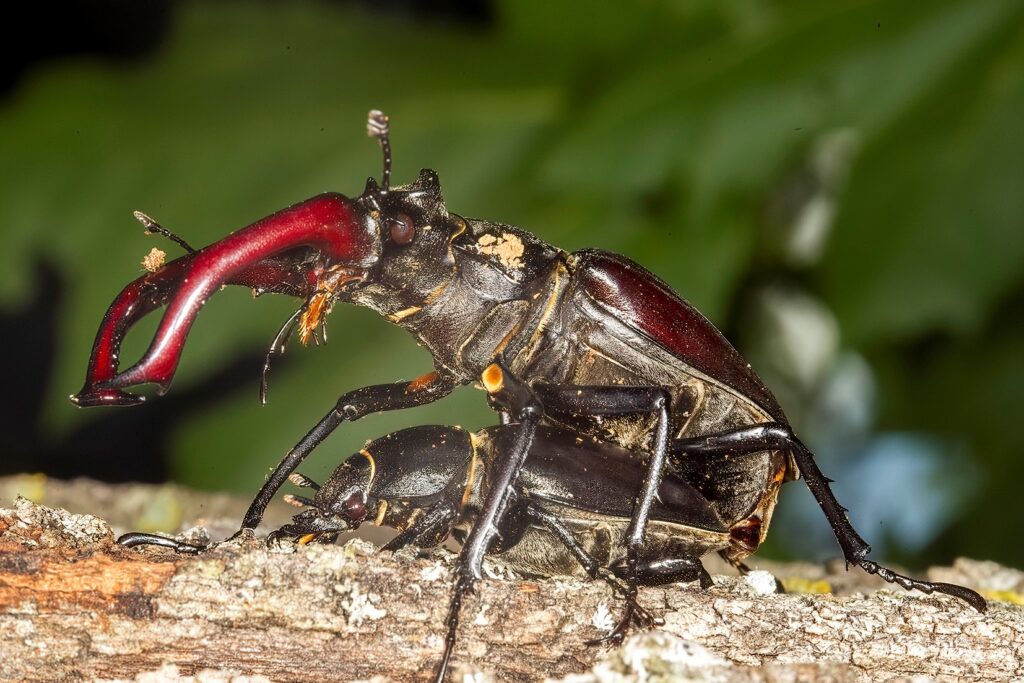
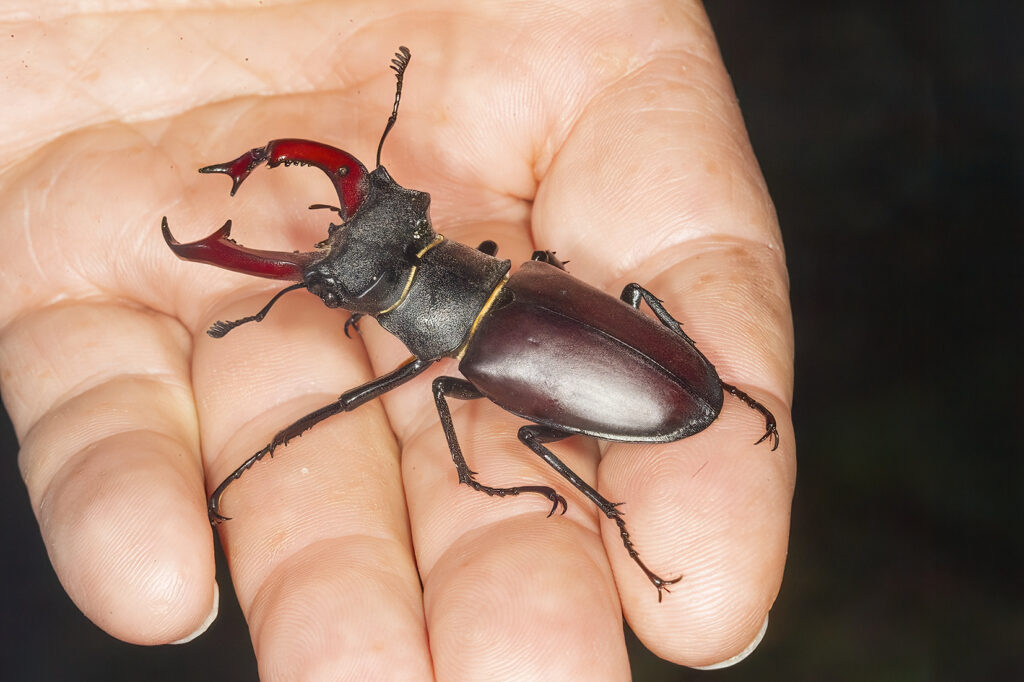
The Stag Beetle (Lucanus cervus) is the largest beetle species in Europe. It is not found in Norway today but may have existed here in prehistoric times under a warmer climate. This magnificent beetle relies on old oak trees, and the nearest populations today exists in Sweden. Warmer climate may present future opportunities for this beetle to survive in Norway anew.