Temautstilling-bjørkemålerlarver-EN

Birch moths larvae

Birch moths are butterflies, and their larvae eat birch leaves. On regular intervals, birch moths have large population outbreaks throughout the Nordic region where the larvae density can increase thousandfold compared to bottom years. Several species of birch moths are expanding their distribution into the north due to a milder climate following climate change, which may lead to several intense and subsequent outbreaks with fatal consequences for the birch forest.

From 2002 to 2009 one third of the subarctic birch forest in northern Norway was destroyed by birch moths, as the autumnal moth and the winter moth peaked in subsequent years – and posed a stress level far too high for the birch forest. The birch moth attacks on subarctic birch forests in northern Norway is considered the most abrupt and large-scale ecosystem disturbance in Europe caused by recent climate change. 

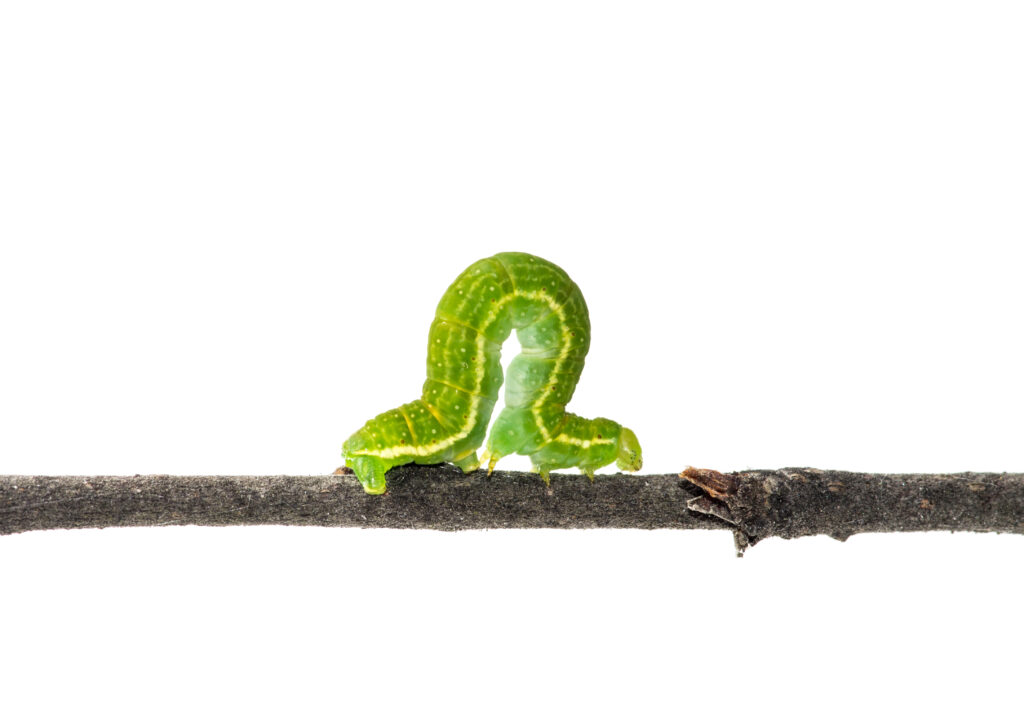
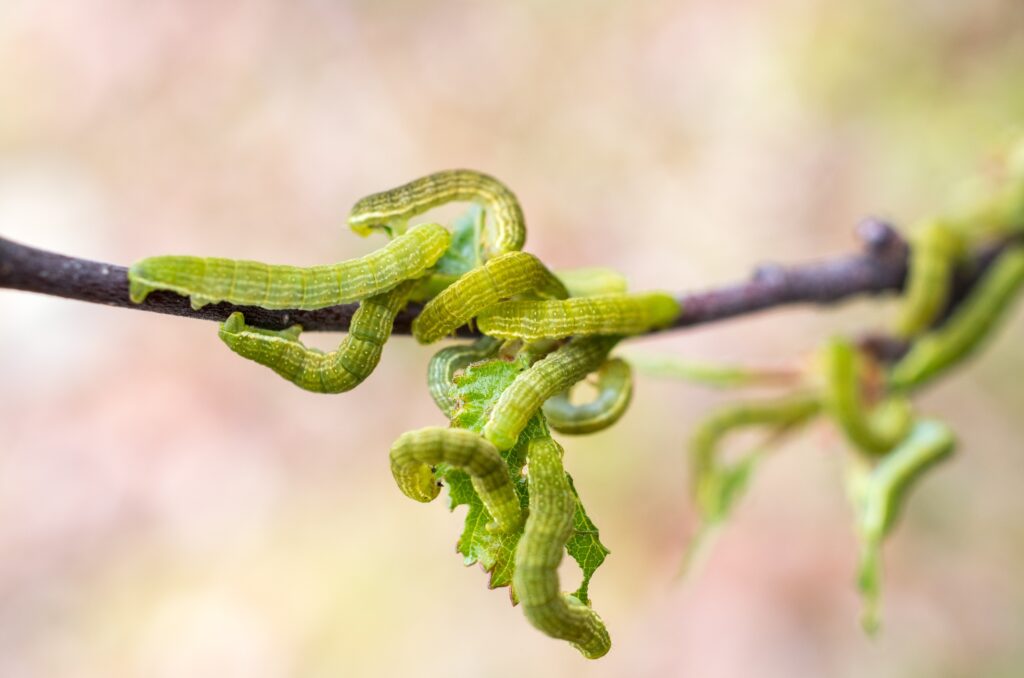
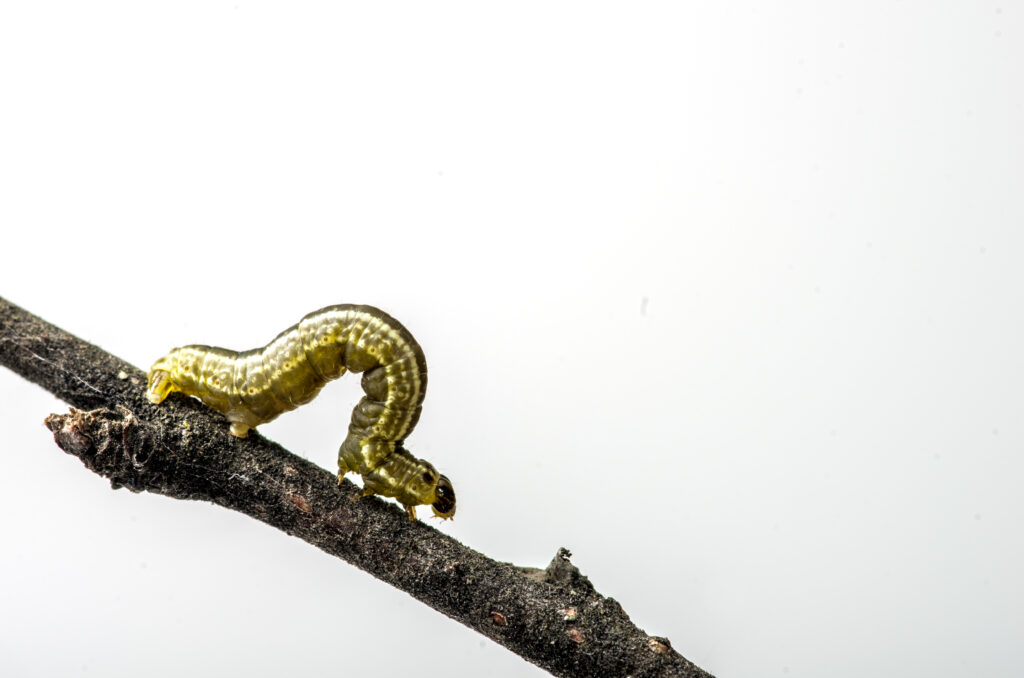
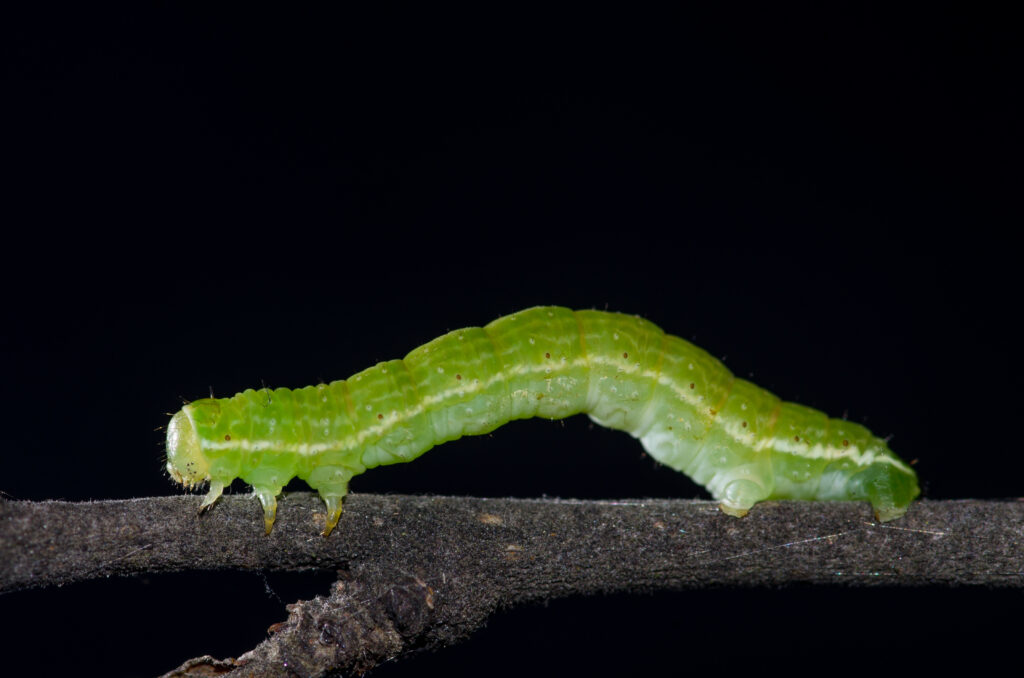
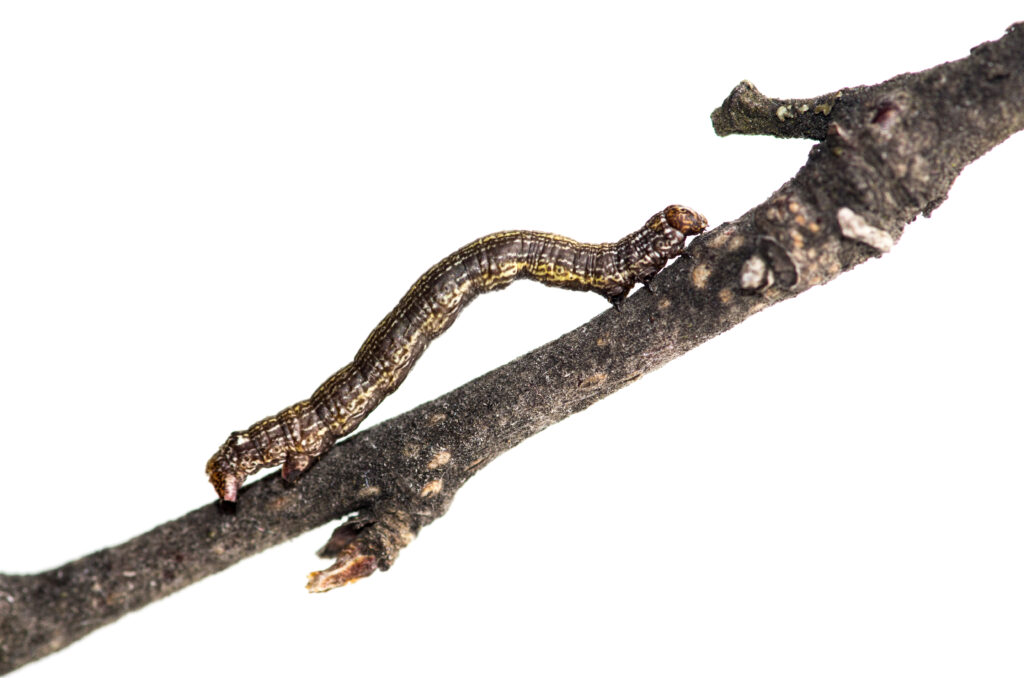
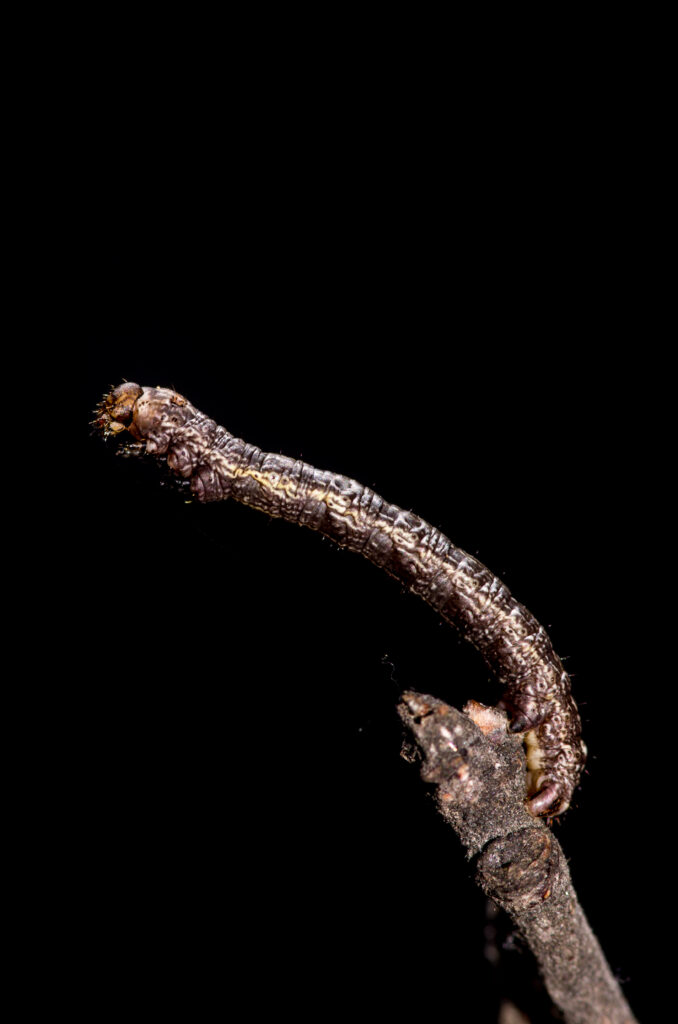
Close up of the moth larvae Epirrita autumnata. Photo: Mogens Klinghart (NINA).

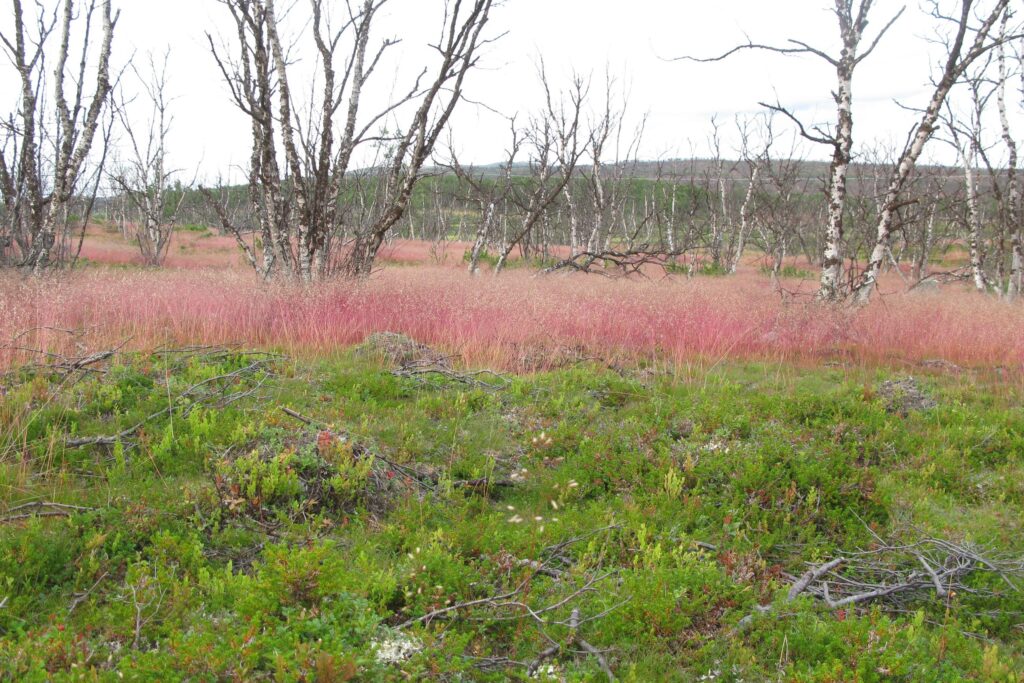
Heavy growth of Avenelle flexuosa after moth larvea outbreak. Østfinnmark. Photo: Jane Uhd Jepsen (NINA).
Close up of the moth larvae Epirrita autumnata. Photo: Mogens Klinghart (NINA).
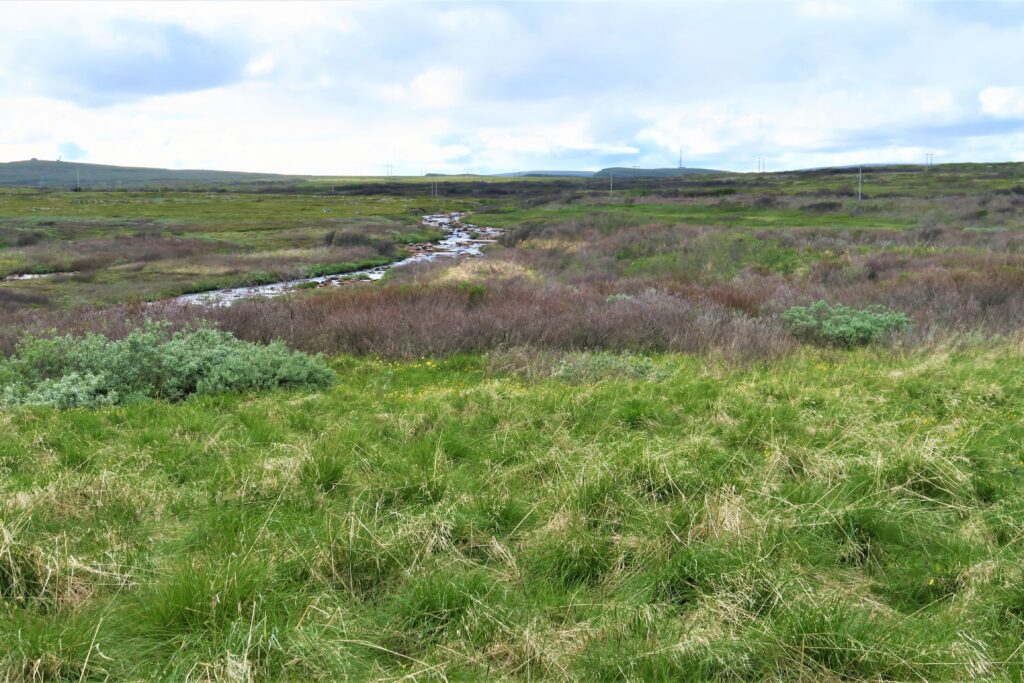
Dead willow at the border of arctic tundra, Østfinnmark. Photo: Ole Petter Laksforsmo Vindstad (UiT).
Close up of the moth larvae Epirrita autumnata. Photo: Mogens Klinghart (NINA).

Close up of the moth larvae Epirrita autumnata. Photo: Mogens Klinghart (NINA).
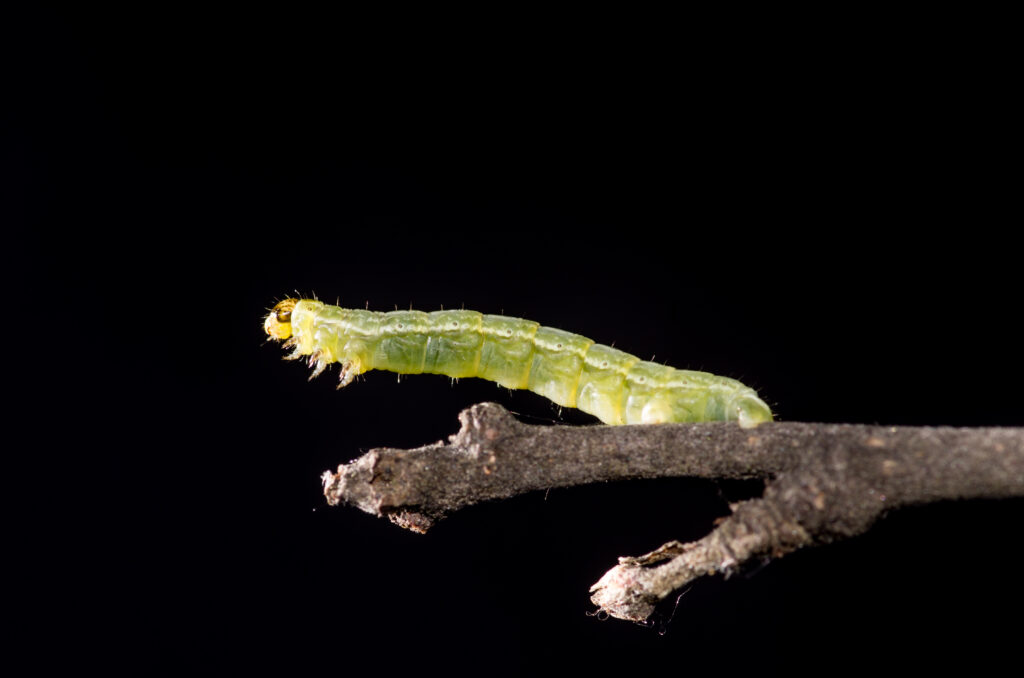
Close up of the moth larvae Operophtera brumata. Photo: Mogens Klinghart (NINA).
The most important moth larvea outbreake species in Norway. Left to right: Operophtera brumata, Epirrita autumnata, Agriopis aurantiaria. Photo: Jon Aars (Norsk Polarinstitutt).
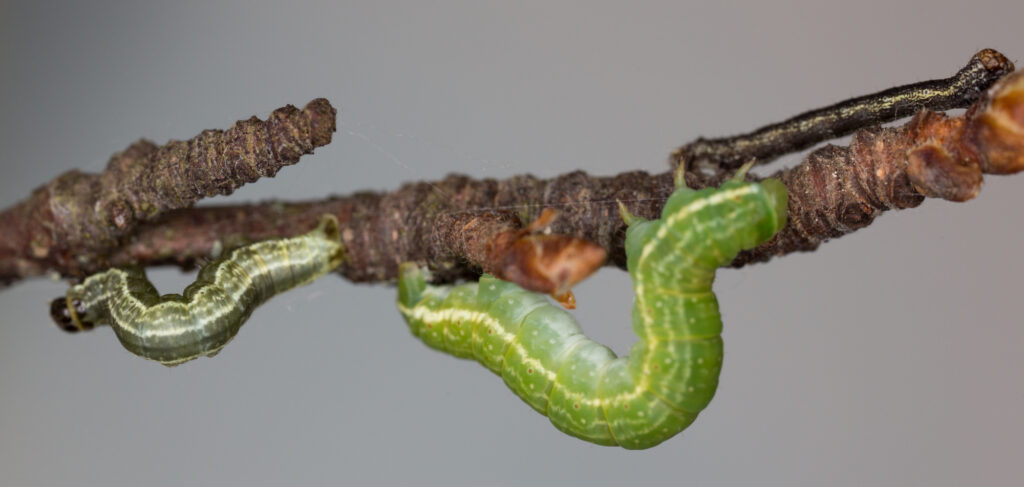
Close up of the moth larvae Agriopis aurantiaria. Photo: Mogens Klinghart (NINA).