
Areas of use and historical significance
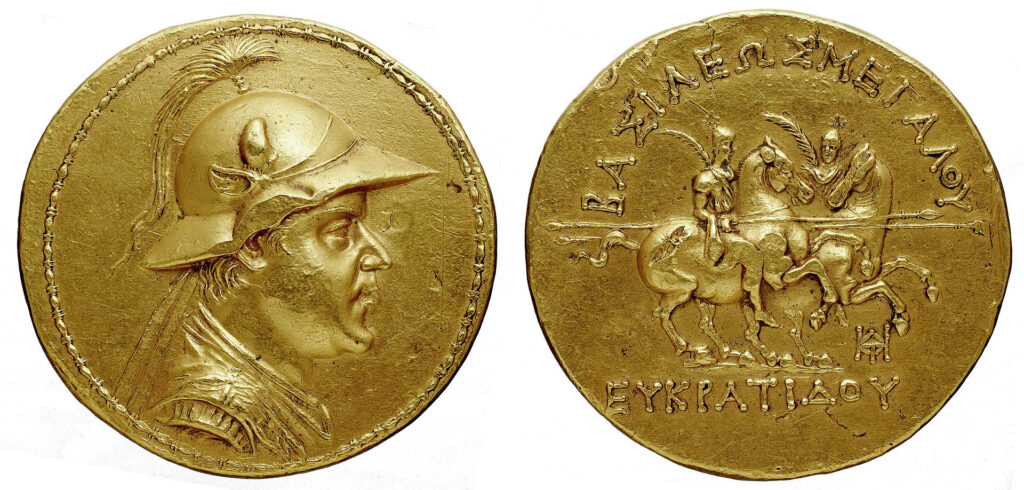
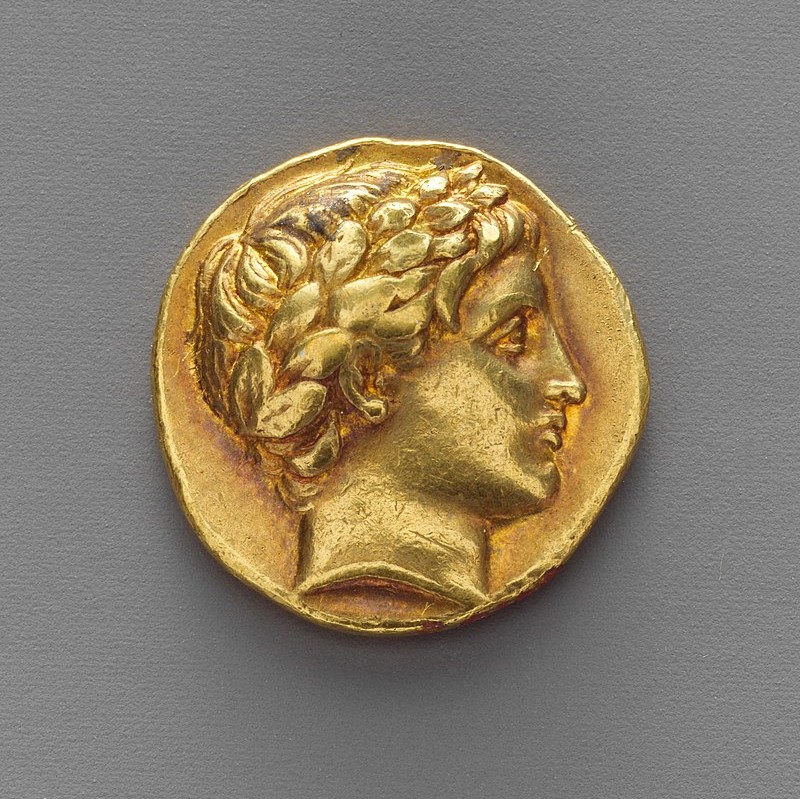
Gold may have been used by humans as early as 7,000 years ago, possibly even earlier. Due to gold’s beauty, indestructibility, malleability, and rarity the metal has been widely used in jewellery, art objects and coins.
Gold has had enormous importance as security for many countries’ foreign exchange holdings and as an investment object.
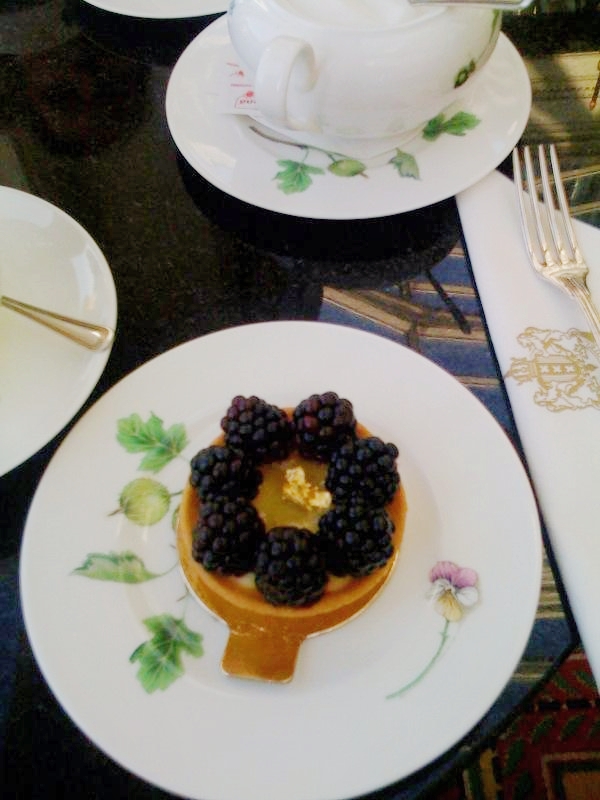
Gold has been widely used in dental fillings and is important in the electronics industry. Gold-leaf is extremely thin foil of high purity gold, and is used for gilding picture frames, art objects, book covers and statues. Gold-leaf is even used as an additive in exclusive dishes or beverages and has an E number of 175.
Gold does not react with any substances in the body and is therefore completely harmless. Gold salts were used in the treatment of arthritis until approx. 1990, but the side effects could be serious.
Gold compounds were also used in the treatment of tuberculosis in the 1920s and 1930s, but the method was later considered dangerous and ineffective.
The radioactive gold isotope Au-198 is used in the treatment of certain types of cancer. The estimated amount of gold mined in human history is approximately 170,000 tons. This corresponds to a cube that is 21 m in all directions.